
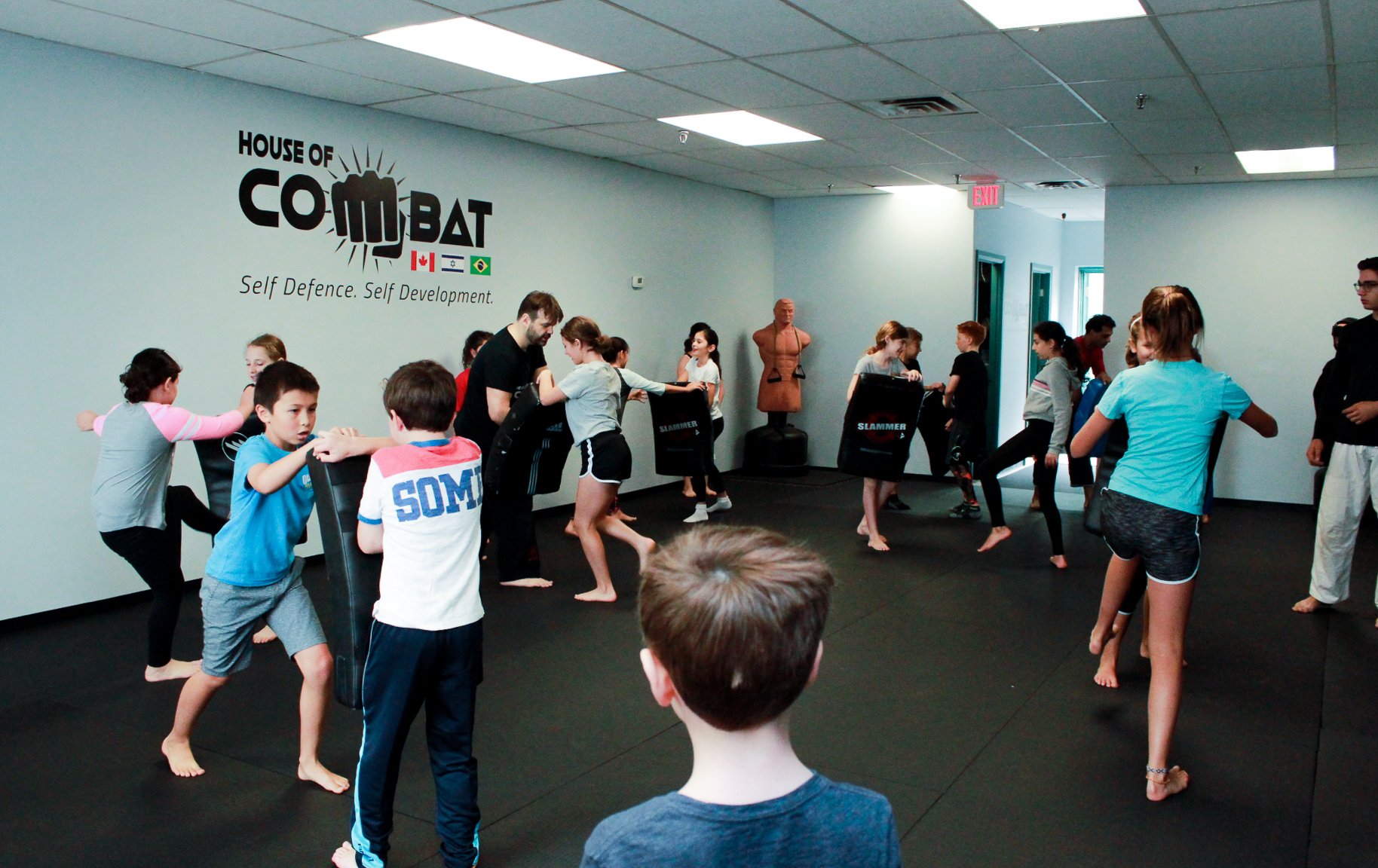
Krav Maga for Kids
Give Them the Tools to Navigate the World Safely
Equip your child with situational awareness and practical self-defence skills for stress-free independence. House of Combat’s Kids’ Krav Maga program has been the most popular choice for GTA families for decades. We have created a structured, progressive Krav Maga curriculum designed for children by age group, so they are truly prepared to live their best lives as they grow.
Smarter "Stranger Danger"
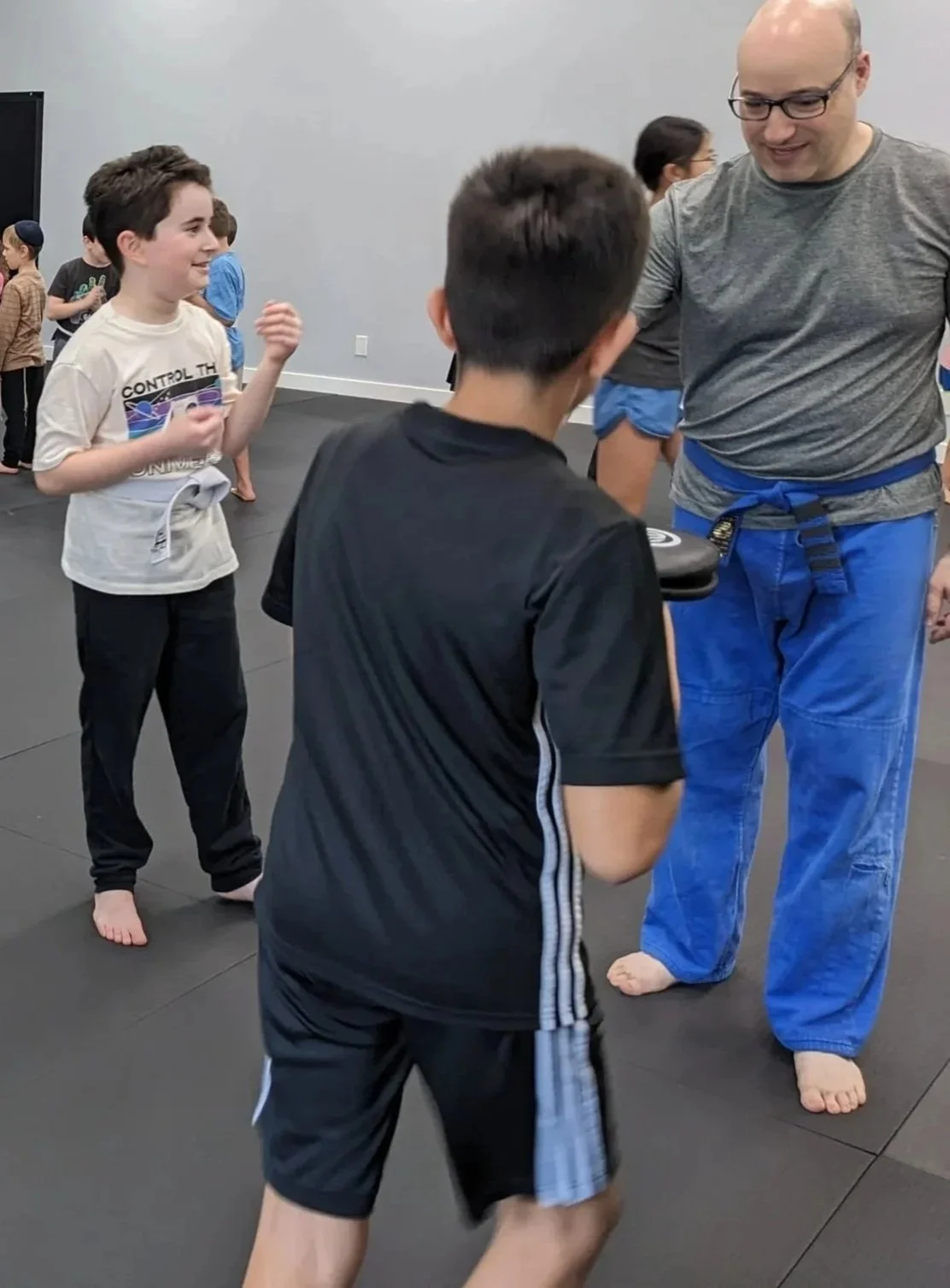
We move beyond simple slogans to teach age-appropriate situational awareness. Your child will learn to recognize red flags in their environment and understand healthy boundaries with adults. We give them the voice to speak up when something feels wrong, and the physical skills to react decisively—breaking grabs and exiting safely—if someone tries to harm them.

Bully-Proofing from the Inside Out
Bullies look for victims. We teach your child to project confidence through body language and voice, often stopping confrontation before it physically begins. By training in a safe, structured environment in North York, they learn that their worth doesn't come from external validation, but from their own capability.
Age-Appropriate Training
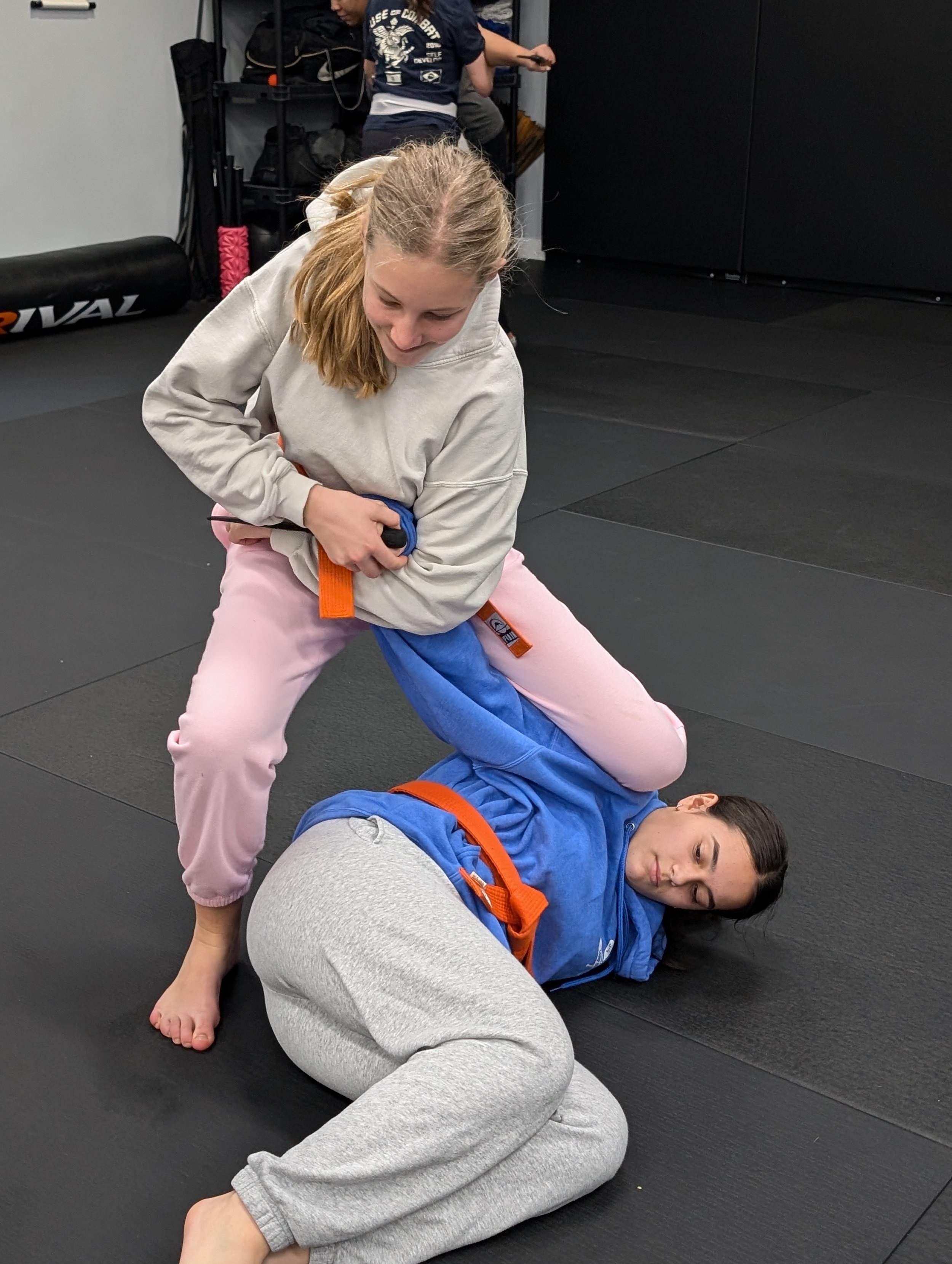
It can be difficult to teach your child about personal safety. You want to empower them without scaring them. This is why we take great pride in our curriculum designed to teach kids what they need to know when they need to know it. While younger kids are more likely to encounter bullying at school, older children need to be prepared for walking with friends, taking public transit, and sleepovers. We designed programs for three different age groups so we can teach personal boundaries and practical skills and build confidence to use them.
Frequently asked questions
-
We recommend you select a training style for your child based on your goals and values. Krav Maga is the best choice to prepare your child for real-world situations that require quick action to ensure their safety.
Other styles like karate or taekwondo are best suited for sport, developing balance, coordination, and discipline.
-
Krav Maga is practiced wearing comfortable athletic wear without zippers or sharp components. Students use MMA or boxing gloves to practice their striking.
-
Much like swim lessons, students progress through a structured curriculum based on skill and age. True personal protection is achieved not through knowledge but through the training of reflexes to respond without needing to think (similar to a self-rescue when falling unexpectedly into a body of water).
An orange belt is the third belt and is awarded on average about 4 years into training at a minimum age of 11. Students at this level demonstrate a strong capacity for recognizing and avoiding dangerous situations and the skills to exit safely.